Remote Sensing
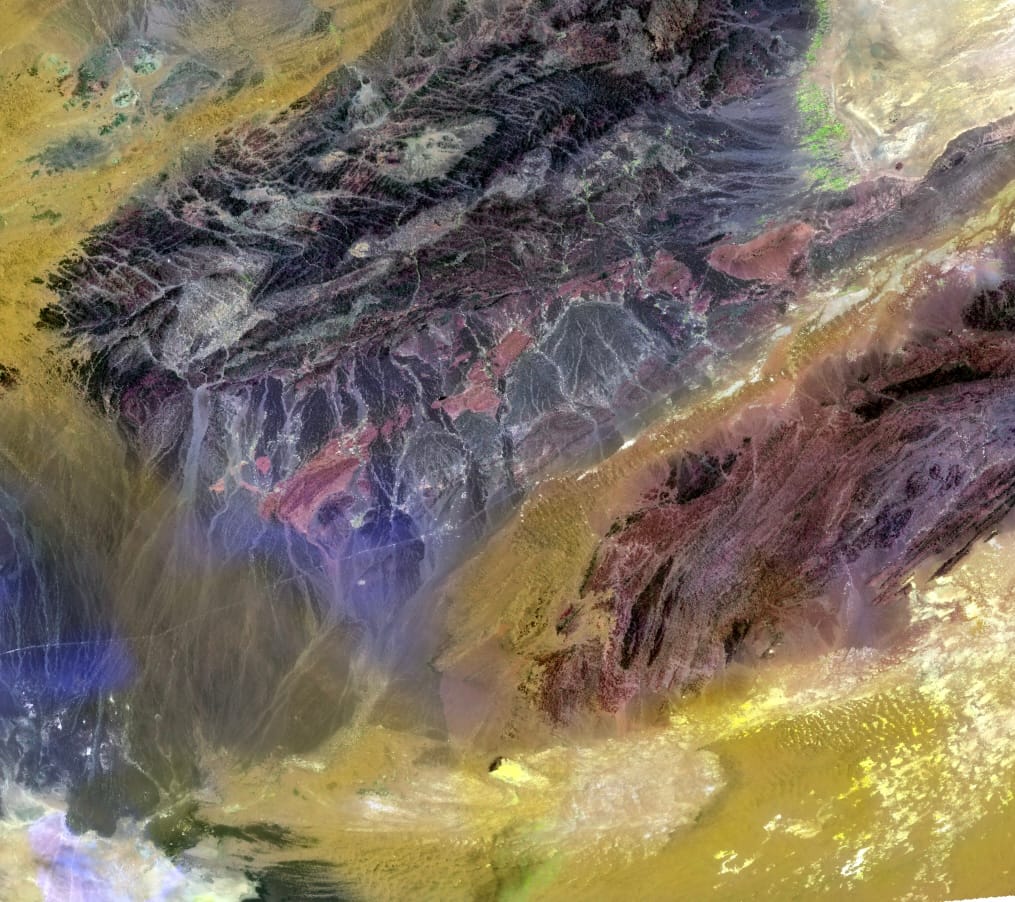
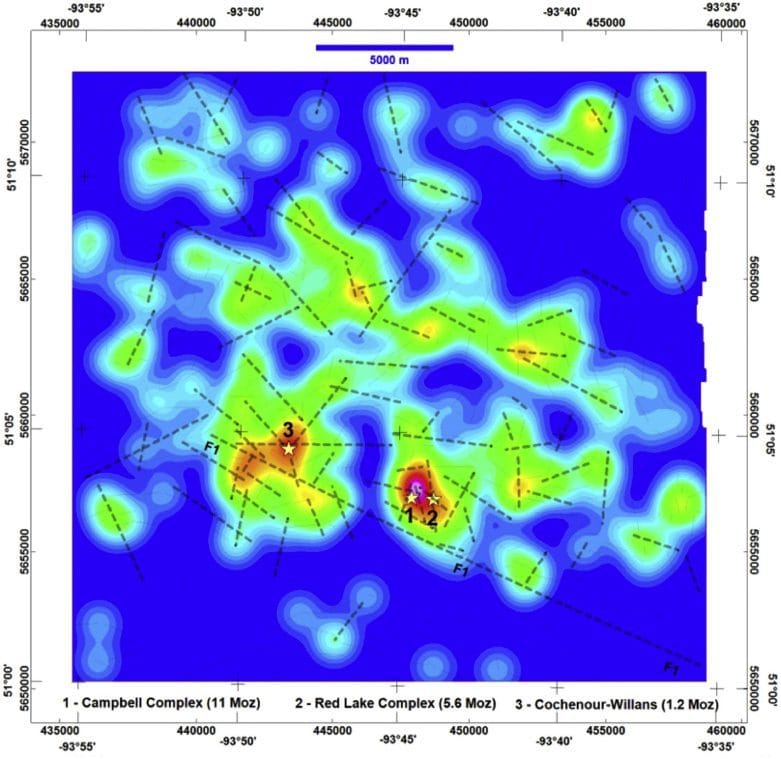
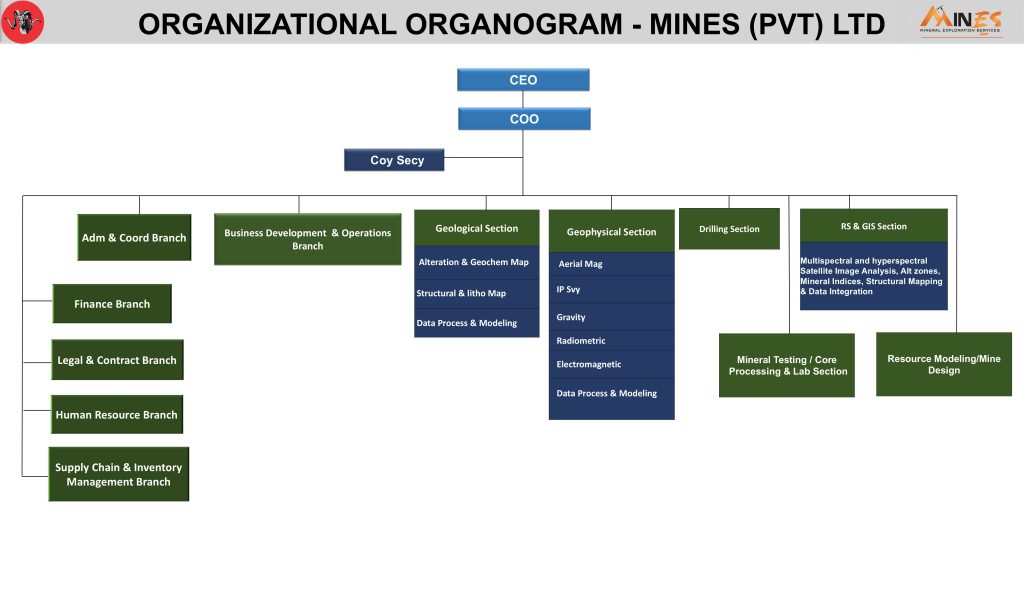
Remote Sensing plays a vital role in modern mineral exploration by providing accurate and large scale geological data. Through hyperspectral analysis, it captures detailed spectral information to identify mineral compositions with high precision. Multispectral analysis complements this by offering broader imagery useful for detecting surface alterations and geological features.
Both techniques enable efficient and cost effective mineral mapping, helping geologists locate potential resource rich zones without extensive ground surveys. These advanced technologies significantly enhance decision making and reduce exploration risks.
Terrain Modeling
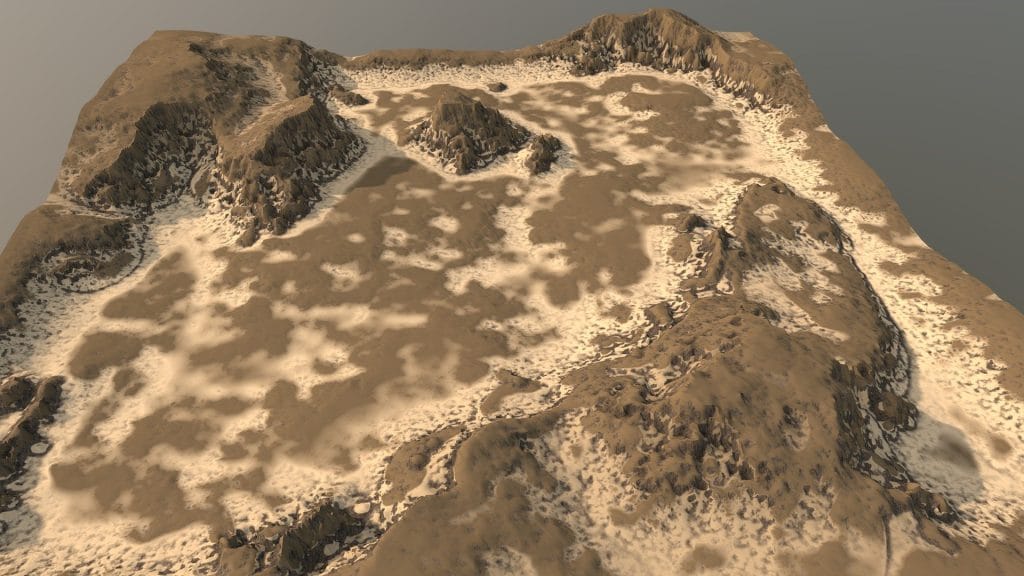
Terrain modeling is the process of creating digital representations of the Earth’s surface. Photogrammetry uses aerial images to generate accurate 3D models. Land Use and Land Cover (LULC) helps identify how land is used and how it changes over time. 3D Terrain Models provide detailed elevation data useful for planning, construction, and environmental analysis.
Geological Mapping
Geological mapping records surface rock types and structures to understand the area’s geology. Surface geological mapping outlines rock formations and fault lines. Alteration mapping identifies changes in rock caused by hydrothermal fluids, often linked to mineralization. Mineral mapping helps locate and classify mineral rich zones for exploration targeting.
Aerial Geophysics
Aerial geophysics involves collecting geophysical data from the air to study the Earth’s subsurface. Aerial Magnetic Surveys measure variations in the Earth’s magnetic field to detect mineral deposits and geological structures.
Aerial Radiometric Surveys detect natural radiation from rocks and soils, helping in mapping rock types and locating uranium or thorium sources. These methods are efficient for covering large areas quickly and are widely used in mineral exploration and environmental studies.
Land Geophysics
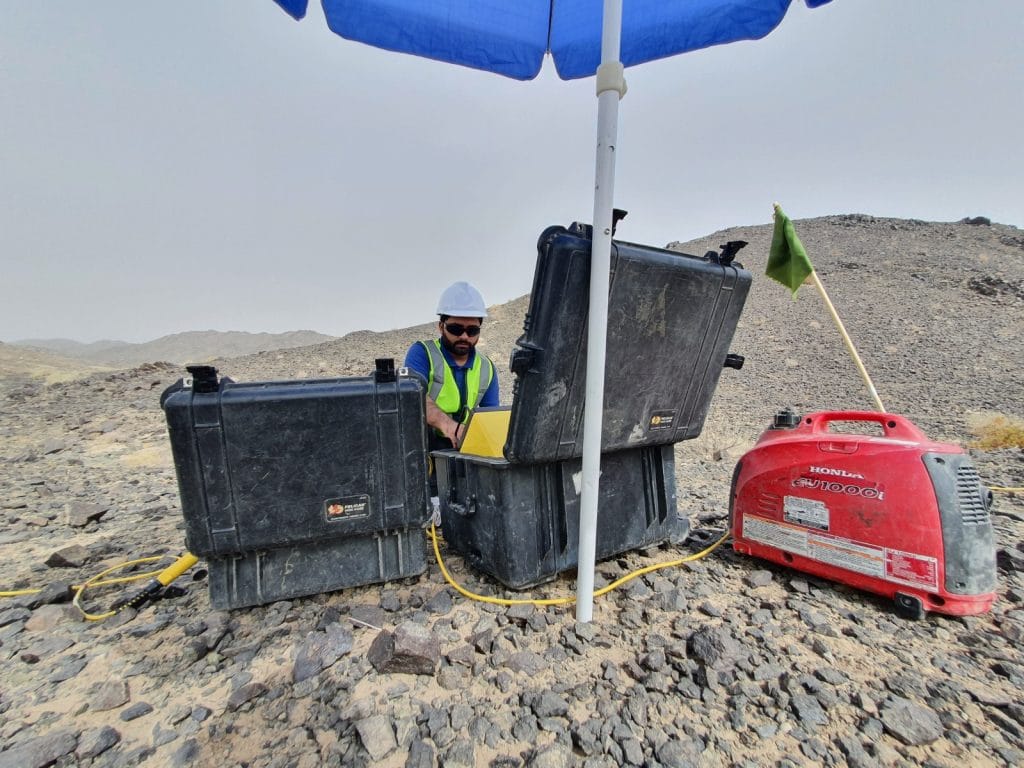
Land geophysics involves ground-based techniques to study subsurface geological structures. Electromagnetic Surveys use electromagnetic fields to detect variations in soil and rock conductivity, useful for mapping groundwater and mineral deposits.
Induced Polarization (IP) Surveys measure the delayed response of underground materials to electrical currents, helping identify ore bodies and sulfide minerals. Magnetotelluric Surveys (UMT, MT, AMT) use natural electromagnetic fields to probe deep into the Earth, ideal for geothermal, oil, and mineral exploration.
Geological Modeling & Drill Plan optimization
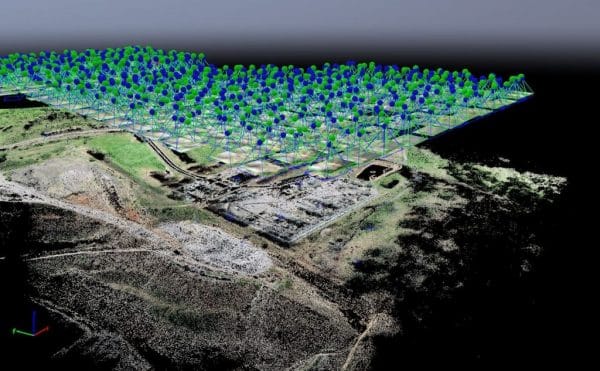
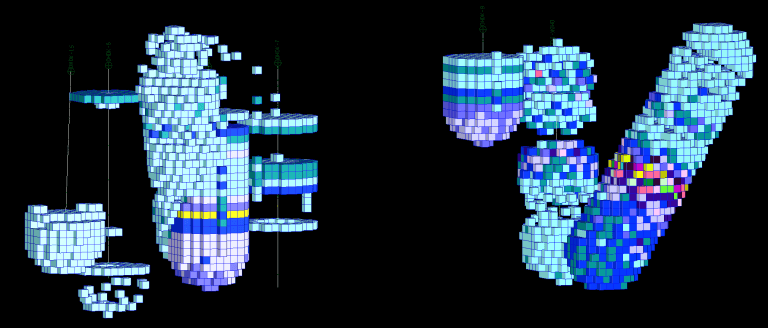
Geological modeling helps in creating accurate 3D representations of subsurface geology, essential for resource estimation. Ore Body Visualization allows geologists to clearly understand the shape, size, and orientation of mineral deposits.
Drill Optimization Plans are designed to reduce costs and maximize data recovery by placing drill holes strategically. Data Integration combines geological, geophysical, and geochemical data to improve model accuracy and support better exploration decisions.
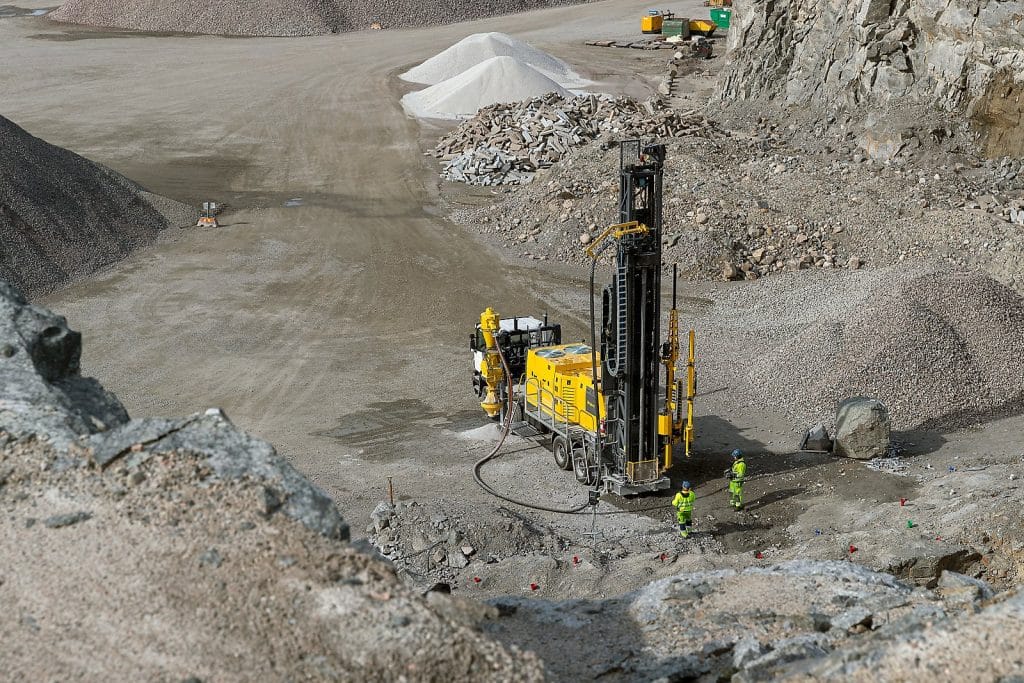
Advanced Core Drilling
Core Logging & Analysis
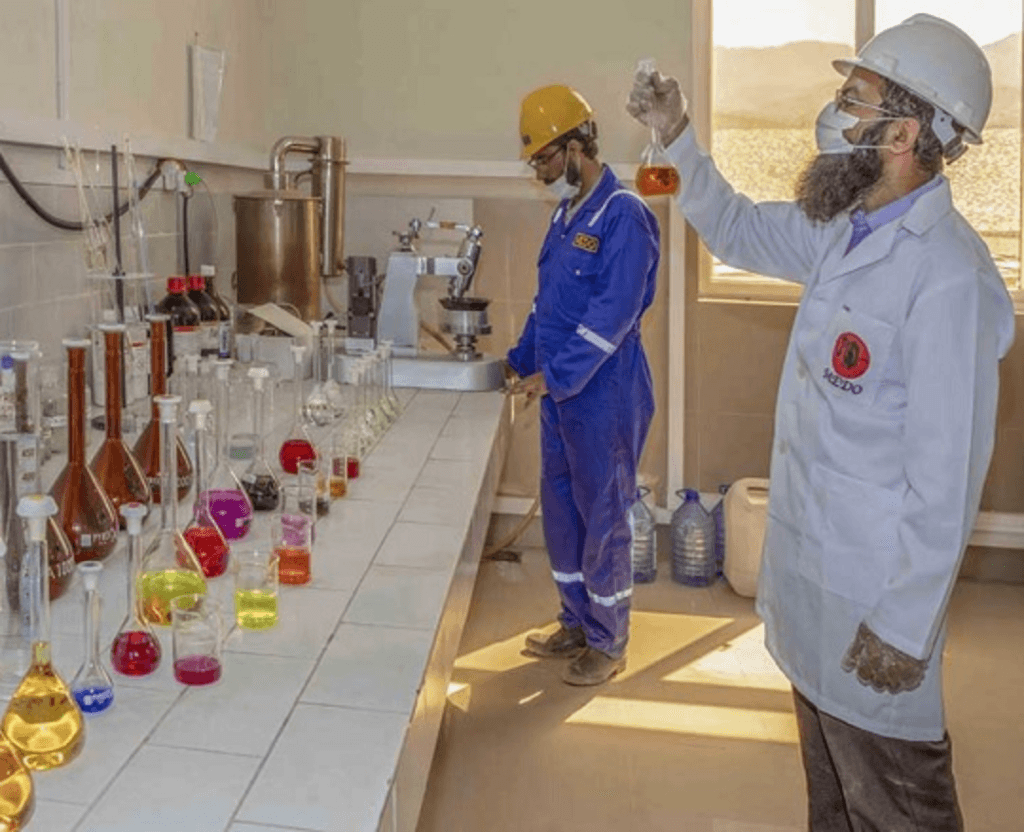
Geochemical Testing
Resource Estimation Mine plan Design